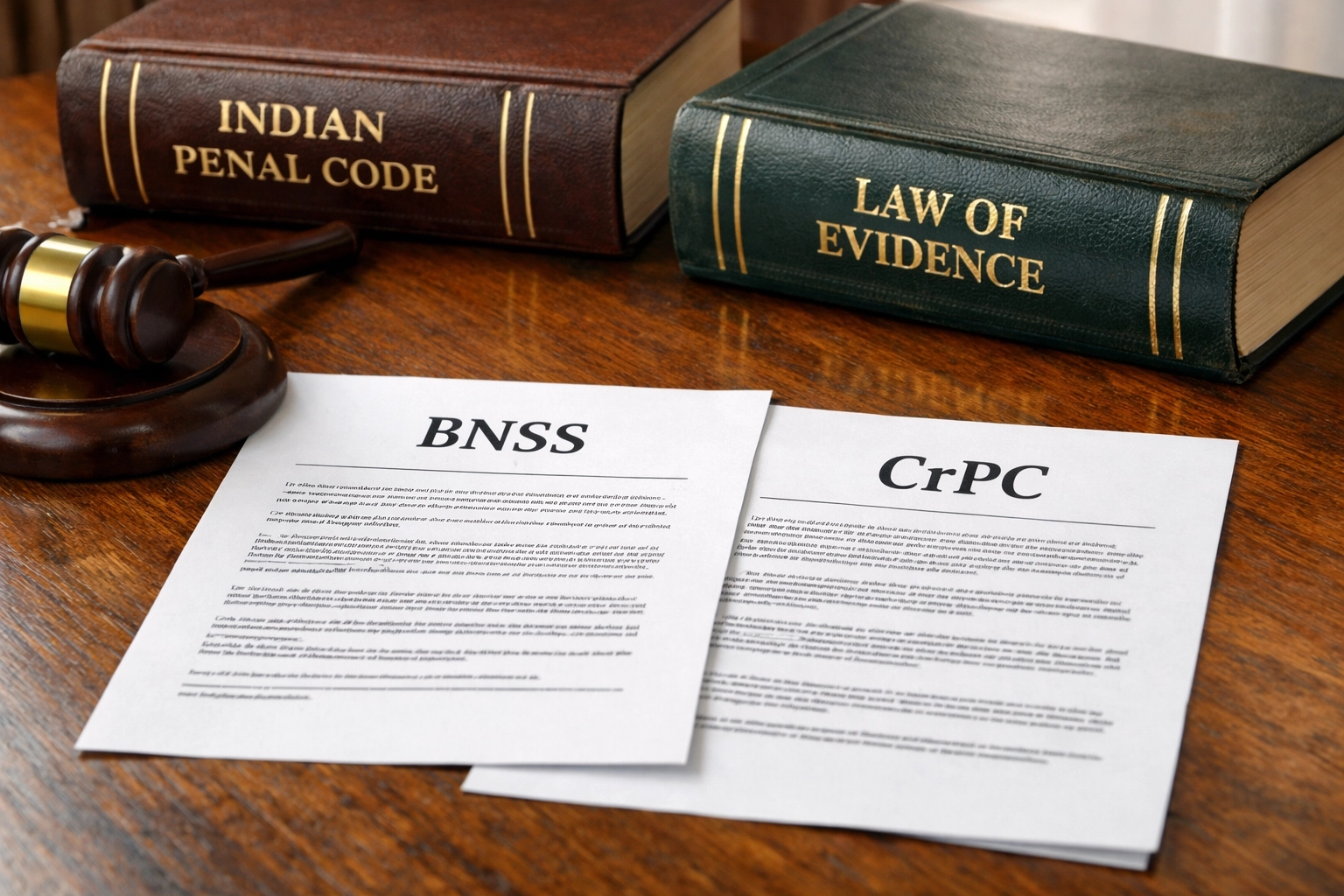

Entering into a high-value property transaction in India is more than a simple exchange of capital for real estate; it is a complex legal maneuver that requires surgical precision. Whether you are acquiring a luxury villa in Ludhiana, a commercial high-rise in Chandigarh, or expansive agricultural land in Punjab, the stakes are exceptionally high. At Legit Solutions, we have witnessed how even a minor oversight in a Sale Deed or a failure to scrutinize a Chain of Title can lead to years of "emotionally drenching" litigation.

As the legal landscape shifts with the implementation of the Bharatiya Nagarik Suraksha Sanhita (BNSS) and the Bharatiya Nyaya Sanhita (BNS), ensuring that your transaction is bulletproof is no longer optional: it is a necessity. Here are the 10 critical things you must know before you put pen to paper.

1. CUSTOMIZE AND SCRUTINIZE THE PURCHASE AND SALE AGREEMENT (PSA)

The standard "one-size-fits-all" agreement is the enemy of a high-value transaction. In these deals, the Agreement to Sell must be meticulously tailored to reflect the specificities of the property and the intent of the parties. We emphasize that every Condition Precedent (CP): such as the requirement for the seller to clear outstanding dues or obtain specific NOCs: must be clearly defined.

Under the Indian Contract Act, 1872, an agreement is only as strong as its clauses. Ensure that the document includes robust Indemnity Clauses to protect you against future claims of defective title or undisclosed encumbrances. Time is of the essence in high-value deals; therefore, include strict timelines for the payment of the balance consideration and the execution of the final Sale Deed.

Secure your assets through precision.

2. CONDUCT AN EXHAUSTIVE TITLE SEARCH AND LIEN VERIFICATION

A primary cause of property disputes in India is a defective title. For high-value transactions, a 13-year search is the bare minimum; we strongly recommend a 30-year Title Search to trace the ownership history accurately. This involves a thorough examination of records at the Sub-Registrar’s Office and the local revenue department (Patwari records).

You must obtain an Encumbrance Certificate (EC) to verify that the property is free from any equitable mortgages or court attachments. Under the Transfer of Property Act, 1882, any person acquiring immovable property is deemed to have notice of every instrument registered. If you fail to perform due diligence, you cannot later claim to be a "bona fide purchaser without notice."

Legal stamp papers and magnifying glass on a lawyer's desk for Indian property title verification.

3. MANDATE A COMPREHENSIVE PHYSICAL DUE DILIGENCE

High-value doesn’t always mean high-quality. Beyond the legal paperwork, the physical state of the asset must be verified. We advise our clients to engage structural engineers and architects to conduct a thorough inspection. This is particularly crucial for commercial assets or older luxury estates where structural integrity or hidden renovations could pose a future liability.

Review all building plans approved by the local municipal corporation (e.g., Ludhiana Municipal Corporation). Ensure there are no unauthorized constructions or deviations from the sanctioned plan, as these can lead to demolition notices or heavy compounding fees under local building bylaws.

Verify the physical to protect the financial.

4. OBTAIN AN INDEPENDENT APPRAISAL AND MARKET VALUATION

In the world of luxury real estate, prices are often driven by sentiment rather than statistics. To avoid overpaying, it is imperative to secure an independent appraisal from a government-approved valuer. This valuation serves two purposes: it ensures you are paying a fair market price and it helps in calculating the correct Stamp Duty and Registration Fees.

Under-valuation to save on stamp duty is a risky venture that can lead to penalties under the Indian Stamp Act, 1899 and potential criminal scrutiny. We assist our clients in navigating these valuations to ensure full compliance with the law while optimizing the financial structure of the deal.

5. VERIFY SELLER AUTHORITY AND DISCLOSURE OBLIGATIONS

Who is actually signing the document? If the seller is an NRI (Non-Resident Indian), does the person holding the Power of Attorney (POA) have the specific right to sell and register the property? If the seller is a company, has a Board Resolution been passed?

Under the Real Estate (Regulation and Development) Act, 2016 (RERA), sellers and developers have stringent disclosure obligations. Any "material defect" in the property or title must be disclosed upfront. Failure to do so can lead to the cancellation of the contract and heavy compensation. We meticulously verify the identity and authority of the selling party to prevent cases of impersonation or fraudulent transfers.

Professionals shaking hands in a corporate boardroom after verifying property seller authority.

6. ANALYZE FINANCING TERMS AND RERA COMPLIANCE

For properties under construction or those within a gated community, RERA compliance is non-negotiable. You must verify the project’s RERA registration number and check the developer’s track record on the official RERA portal.

If you are securing a loan for a high-value transaction, review the bank’s Loan Agreement with a legal eye. Pay close attention to restrictive covenants, floating interest rate adjustments, and prepayment penalties. Our team at Legit Solutions often helps clients synchronize their bank’s requirements with the seller’s expectations to ensure a seamless fund transfer on the day of registration.

7. SECURE ALL NECESSARY NOCs AND UTILITY CLEARANCES

A property isn't truly yours until all "No Objection Certificates" (NOCs) are in hand. This includes clearances from:

  • The Land Development Authority.
  • The Electricity Board (ensuring no pending arrears).
  • The Water and Sewage Department.
  • The Resident Welfare Association (RWA).

In Punjab, specific clearances regarding Change of Land Use (CLU) are often required if the property’s historical use was agricultural. Neglecting these can lead to your "dream project" being stalled by administrative hurdles.

Efficiency is the byproduct of meticulous preparation.

8. IMPLEMENT STRATEGIC RISK MITIGATION THROUGH INSURANCE

High-value transactions involve significant exposure. We recommend that our clients consider Title Insurance, which is a relatively modern but essential tool in the Indian market. It protects against losses arising from unknown title defects or fraud that might surface after the purchase.

Additionally, ensure that the property is covered by a comprehensive fire and hazard insurance policy from the moment the risk passes to you. The transition of risk is a critical legal point; generally, under Section 55 of the Transfer of Property Act, the risk remains with the seller until the sale is complete, but the PSA can alter this timeline.

Luxury Indian estate at twilight protected by a glowing shield representing property insurance.

9. EVALUATE ZONING LAWS AND EASEMENT RIGHTS

The future value of your high-value property depends on what can be built around it. Evaluate the Master Plan of the city to ensure no major highways or industrial zones are planned right next to your residential estate. Furthermore, identify any Easement Rights: such as a right of way for a neighbor or an underground pipeline: that might restrict your usage of the land.

Understanding local land laws is vital. For instance, in Punjab, the nuances of the Punjab Apartment and Property Regulation Act (PAPRA) can significantly impact high-value developments. We provide tailor-made advice to ensure your planned use of the property is legally sustainable.

10. NAVIGATE THE FINAL REGISTRATION AND BNSS SAFEGUARDS

The culmination of your journey is the Property Registration at the Sub-Registrar's office. This is where the legal title officially transfers. Ensure all original documents, including the previous chain of title, are handed over.

With the introduction of the Bharatiya Nagarik Suraksha Sanhita (BNSS), the legal framework for dealing with property fraud has become more stringent. Should any party attempt to defraud you through double-selling or forged documents, the provisions for attachment of property and summary trials under the new laws offer a faster route to justice. However, prevention remains the best cure.

Close-up of a key handover ceremony finalizing a high-value property registration in India.

Finalizing the deal with Legit Solutions.

High-value transactions should be a milestone of success, not a source of stress. The complexity of Indian property law requires a partner who understands the fine print and the local ground realities. At Legit Solutions, we pride ourselves on providing "minimum attendance" and "maximum security" for our clients.

If you are on the verge of a significant real estate investment, do not leave it to chance. From Property Registration in Ludhiana to complex Civil Litigation, we are here to protect your interests.

Contact us today to ensure your legacy is built on a solid legal foundation.
https://legitsolutions.in/contact

Acquiring real estate is often the culmination of years of financial discipline and emotional investment. However, in the complex legal landscape of India, the journey from "buyer" to "legal owner" is incomplete without the rigorous process of property registration. At Legit Solutions, we understand that navigating the corridors of the Sub-Registrar’s Office can be a daunting prospect. This comprehensive guide is designed to demystify the legalities, ensuring your transition into property ownership is seamless, secure, and legally unassailable.

1. UNDERSTANDING THE STATUTORY MANDATE: WHY REGISTRATION IS NON-NEGOTIABLE

The foundation of property law in India rests upon the Registration Act, 1908. Under Section 17 of this Act, any instrument that purports to create, declare, assign, limit, or extinguish any right, title, or interest in immovable property of a value exceeding one hundred rupees must be registered. Failure to comply with this mandate renders the transaction void in the eyes of the law; the buyer acquires no legal title, and the document cannot be produced as evidence in a court of law under Section 49 of the same Act.

Furthermore, the Indian Stamp Act, 1899, necessitates the payment of stamp duty: a form of tax: to the government. Without the payment of the requisite stamp duty and subsequent registration, your "ownership" remains a mere physical possession without the protective shield of the State. At Legit Solutions, we emphasize that time is of the essence; a document must be presented for registration within four months from the date of its execution.

2. PREPARING THE ARSENAL: ESSENTIAL DOCUMENTATION CHECKLIST

Before setting foot in the Sub-Registrar’s Office, meticulous preparation of documentation is required. Any discrepancy here can lead to procedural delays or, worse, legal disputes in the future. We recommend gathering the following:

  • The Sale Deed: This is the primary document executed by the seller in favor of the buyer. It must be drafted with precision, outlining the schedule of the property and the terms of the sale.
  • Identity and Address Proofs: Original and self-attested copies of Aadhaar Cards and PAN Cards for both parties. PAN is mandatory for transactions exceeding certain thresholds to ensure transparency with the Income Tax Department.
  • Encumbrance Certificate (EC): This document, typically covering the last 15 to 30 years, proves that the property is free from any legal dues or mortgages.
  • Property Tax Receipts: Proof of the latest municipal tax payments to ensure there are no outstanding liabilities to the local government.
  • Approved Building Plan: Especially relevant for new constructions to verify that the structure adheres to local bylaws.
  • No Objection Certificate (NOC): In specific jurisdictions or housing societies, an NOC may be required from the developer or the society management.

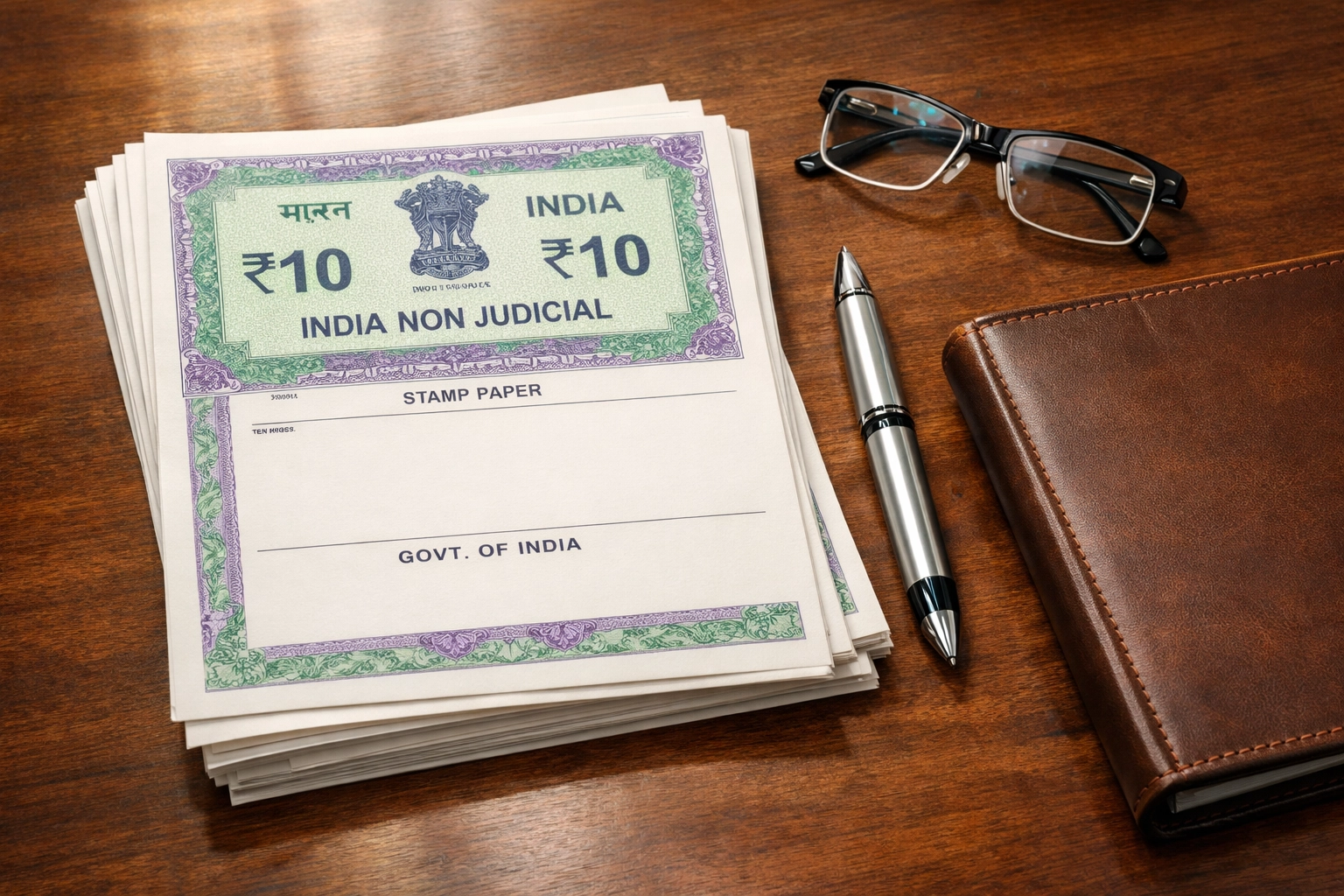
Official Indian non-judicial stamp papers and legal documents ready for property registration filing.

3. FINANCIAL VALUATION AND THE CALCULATION OF STAMP DUTY

The cost of registration is not uniform across India; it is determined by state-specific regulations and the "Circle Rate." The Circle Rate is the minimum price at which a property can be registered, as determined by the local government.

Stamp Duty typically ranges between 3% and 8% of the property’s market value or circle rate (whichever is higher). Many states offer concessions to female buyers to encourage property ownership among women. In addition to stamp duty, a Registration Fee: usually 1% of the property value: is levied.

Calculating these figures accurately is vital. Under-valuation of property to evade stamp duty is a serious offense under the Indian Stamp Act and can lead to heavy penalties and civil suits. Our team at Legit Solutions provides tailor-made assessment reports to ensure you are paying the correct dues while optimizing for any legal exemptions available.

4. THE PROCEDURAL JOURNEY: STEP-BY-STEP EXECUTION

The physical process of registration requires minimum attendance but maximum vigilance. Following the preparation of the draft deed and payment of fees, the parties must proceed as follows:

  1. Drafting the Deed: A professional legal expert drafts the final Sale Deed on non-judicial stamp papers or e-stamp papers.
  2. Appointment Scheduling: Most states, including Punjab and Haryana, now require an online appointment via the state’s property registration portal.
  3. The Sub-Registrar Office (SRO) Visit: Both the buyer and seller, along with two credible witnesses, must appear before the Sub-Registrar.
  4. Verification and Biometrics: The SRO officials verify the original documents. Biometric data (fingerprints) and photographs of all parties are captured digitally.
  5. Execution and Admission: The seller admits to having received the consideration (payment) and signs the deed in the presence of the Sub-Registrar.
  6. The Final Seal: Once the official is satisfied with the authenticity of the transaction, the document is registered, and a unique registration number is assigned.

5. SPECIAL FOCUS: PROPERTY REGISTRATION IN LUDHIANA AND PUNJAB

For our clients in Punjab, particularly those engaged in property registration in Ludhiana, it is essential to be aware of the NGDRS (National Generic Document Registration System). This platform has streamlined the process, allowing for online document entry and fee payment.

However, local nuances such as the "Pattewari" records and the "Jamabandi" (Record of Rights) remain critical. In Punjab, verifying the Fard (ownership document) before the sale is a prerequisite to ensure the seller has a clear and marketable title. Whether you are dealing with an architecture project or a simple house purchase, ensuring the land records are updated in the Revenue Department is just as important as the registration itself.

Property maps and architectural blueprints overlooking the Ludhiana skyline for Punjab real estate.

6. NAVIGATING COMPLEXITIES: NRIS AND POWER OF ATTORNEY

For Non-Resident Indians (NRIs), the property registration process involves additional layers of scrutiny. If the buyer or seller cannot be physically present, they may authorize a representative via a Power of Attorney (POA).

If the POA is executed outside India, it must be adjudicated and stamped in India within three months of its receipt. Furthermore, NRIs must be mindful of the Foreign Exchange Management Act (FEMA) guidelines regarding the repatriation of funds and the TDS (Tax Deducted at Source) requirements, which differ from those of resident Indians. Handling these "emotionally drenching" high-stakes transactions requires a professional touch to avoid "traumatic experiences" with tax authorities later.

7. THE IMPACT OF NEW LEGAL REFORMS: BNSS AND CIVIL LITIGATION

While the Bharatiya Nagarik Suraksha Sanhita (BNSS) primarily focuses on criminal procedure, the integration of digital evidence and revamped procedural timelines influences how property disputes are handled in court. If a registration is contested, the speed at which electronic records (like those from the SRO) are admitted can significantly impact the resolution of civil suits.

We at Legit Solutions stay at the forefront of these legislative shifts to ensure that your property title is not just a piece of paper, but a fortress against future litigation. A well-registered property is the best defense against fraudulent claims and "land grabbing" attempts.

Digital biometric verification on a smartphone representing modern BNSS and Indian property law reforms.

8. POST-REGISTRATION STEPS: MUTATION OF PROPERTY

A common misconception is that the process ends at the Sub-Registrar's Office. Registration only records the transaction; Mutation is what updates the government's revenue records to reflect the new owner's name.

Mutation (often called Dakhil Kharij) is essential for:

  • Paying property taxes.
  • Applying for utility connections (water, electricity).
  • Selling the property in the future.

Without mutation, the previous owner’s name will continue to appear in the official land records, which can lead to significant legal complications if they attempt to sell the property a second time to an unsuspecting buyer.

9. COMMON PITFALLS: WHAT TO AVOID

In our years of practice at Legit Solutions, we have seen many transactions falter due to avoidable errors. To ensure success, avoid:

  • Inaccurate Property Description: Ensure the boundaries (North, South, East, West) are correctly mentioned.
  • Unverified Signatures: Ensure witnesses are reliable and have valid ID proofs.
  • Ignoring the Title Chain: Always verify how the seller acquired the property (the chain of previous sale deeds).
  • Oral Agreements: Never rely on verbal promises. In property law, if it isn't written and registered, it doesn't exist.

A legal expert carefully verifying an Indian property deed for secure title transfer and due diligence.

10. WHY PROFESSIONAL ASSISTANCE IS THE ULTIMATE SUCCESS STRATEGY

The property registration process in India is a meticulous blend of financial, legal, and administrative tasks. While it is possible to navigate it alone, the stakes are simply too high for "trial and error." At Legit Solutions, we offer more than just document filing; we offer peace of mind.

From the initial title search to the final mutation, our team provides a shield against the complexities of Indian property law. We believe in providing a professional and supportive environment where your investment is protected by seasoned experts.

Secure your future and your legacy. If you are planning a property transaction or need assistance with civil litigation regarding property matters, do not hesitate to reach out.

Live happily and invest securely.

Smiling Indian couple holding keys to their new house decorated with a traditional marigold garland.

For expert guidance and a seamless registration experience, contact Legit Solutions today.

Navigating the complexities of matrimonial disputes is an emotionally drenching experience. When these disputes cross international borders, the legal intricacies multiply exponentially. For Non-Resident Indians (NRIs), the question of where to file for divorce is often as critical as the grounds for the divorce itself. At Legit Solutions, we understand that for many NRIs, the fear of getting tangled in a foreign legal system or a protracted Indian court battle can be paralyzing.

In this comprehensive guide, we break down the jurisdictional rules governing NRI divorces in India. Whether you are living in the USA, UK, Canada, or the Middle East, understanding your legal standing in Indian courts is the first step toward a resolution.

1. THE FOUNDATION OF JURISDICTION IN NRI DIVORCES

Jurisdiction refers to the authority of a court to hear and decide a case. In the context of NRI divorces, jurisdiction is not determined by convenience but by specific statutory provisions. Filing a petition in a court that lacks the legal authority to hear it is a recipe for disaster. Statistically, approximately 30% of petitions filed on weak jurisdictional grounds are dismissed at the preliminary stage, leading to a significant waste of time and financial resources.

In India, the jurisdiction for matrimonial causes is primarily governed by the personal laws under which the marriage was solemnized. For most NRIs, this involves the Hindu Marriage Act, 1955 (HMA) or the Special Marriage Act, 1954 (SMA). Under Section 19 of the HMA, a petition can be filed in the District Court within the local limits of whose ordinary civil jurisdiction:

  • The marriage was solemnized: The location where the wedding ceremony took place.
  • The respondent resides: Where the non-filing spouse is living at the time of the petition.
  • The parties last resided together: The last place in India where the couple cohabited as husband and wife.
  • The petitioner resides: In specific cases, particularly where the respondent is outside India or hasn't been heard of for seven years, the petitioner can file where they currently reside.

Gavel and scales of justice on a law book in an Indian District Court for NRI divorce jurisdiction.

2. APPLICABLE LAWS AND THE BRAHMANICAL SHIFT TO BNSS

While divorce itself is a civil matter governed by the Code of Civil Procedure (CPC) and personal laws, the procedural landscape in India is undergoing a massive transformation. With the implementation of the Bharatiya Nagarik Suraksha Sanhita (BNSS), which replaces the CrPC, the way Indian courts handle ancillary matters: such as maintenance under Section 144 of BNSS (formerly Section 125 CrPC) and service of summons: has modernized.

We at Legit Solutions stay at the forefront of these legislative changes. For NRIs, the BNSS introduces more streamlined processes for the service of summons through electronic means. This is a game-changer for jurisdictional issues where one party is residing abroad and intentionally evading service. Under the new regime, the "time is of the essence" philosophy is more prevalent, ensuring that jurisdictional delays are minimized through digital interventions.

3. THE "LAST RESIDED TOGETHER" DOCTRINE

One of the most debated aspects of NRI divorce jurisdiction is the concept of "last resided together." For a couple that moved abroad immediately after marriage, this often points to the matrimonial home in India or even a hotel where they stayed before departing for a foreign land.

Indian courts have taken a broad view of this. If an NRI couple stayed in a particular city in India for a significant period before moving abroad, that city’s court retains jurisdiction. This is vital for those who wish to contest a divorce in India rather than in a foreign court where the laws might be unfavorable regarding alimony or child custody. Our expertise in Family Law allows us to help clients establish these jurisdictional links firmly to prevent early-stage dismissals.

4. CHALLENGING FOREIGN DIVORCE DECREES IN INDIA

A common misconception among NRIs is that a divorce decree obtained from a foreign court: such as a "No-Fault Divorce" in the USA: is automatically valid in India. This is far from the truth. Under Section 13 of the Civil Procedure Code (CPC), a foreign judgment is not conclusive if:

  • It was not pronounced by a court of competent jurisdiction.
  • It was not given on the merits of the case.
  • It appears on the face of the proceedings to be founded on an incorrect view of international law.
  • The proceedings were opposed to natural justice (e.g., the respondent was not properly served).
  • It was obtained by fraud.

If you are an NRI and your spouse has filed for divorce in a foreign country, you must act quickly. If the foreign court does not have jurisdiction according to Indian law, the decree may be declared null and void in India, leading to complex legal battles over bigamy or inheritance later on.

Professional NRI woman navigating international legal systems and Indian divorce laws from abroad.

5. THE ADVANTAGE OF MUTUAL CONSENT FOR NRIs

When both parties recognize that the marriage has reached an irretrievable breakdown, a Mutual Consent Divorce is the most efficient path. For NRIs, this process is now more accessible than ever.

We facilitate modern solutions where physical presence is not always a mandatory hurdle. Through Video Conferencing, Indian courts frequently allow NRIs to record their statements (First and Second Motion) without flying back to India. This approach is not only cost-effective but also reduces the traumatic experience of facing one's spouse in a high-conflict environment.

6. POWER OF ATTORNEY: REPRESENTATION WITHOUT BORDERS

Can you fight a divorce case in India while living in London or Dubai? Yes. By appointing a trusted representative through a notarized and legalized Power of Attorney (POA), you can initiate or defend legal proceedings in India.

The POA holder can sign pleadings and follow up on court dates, while the NRI spouse joins the critical hearings via digital platforms. However, it is essential that the POA is drafted with precision to meet the specific requirements of the Indian Evidence Act and the Registration Act. At Legit Solutions, we provide tailor-made legal documentation to ensure your representation is ironclad.

7. MAINTENANCE AND ALIMONY UNDER THE NEW REGIME

Jurisdiction also dictates where maintenance claims are filed. Under the BNSS, the provisions for maintenance ensure that a spouse left behind in India is not left destitute. For the NRI spouse, it is crucial to understand that Indian courts can pass interim maintenance orders even if the divorce is pending in a foreign jurisdiction.

The "Long-Arm Jurisdiction" of Indian courts often reaches across borders to ensure that the financial obligations of the marriage are met. Failing to respond to maintenance claims in an Indian court can lead to the issuance of Non-Bailable Warrants (NBW) or Look-Out Circulars (LOC), which can be catastrophic for an NRI’s visa status and employment.

Relieved Indian woman reviewing legal documents regarding maintenance and alimony claims under BNSS.

8. STEP-BY-STEP ACTION PLAN FOR NRI DIVORCE

If you are considering filing for divorce or have been served with a notice, follow this chronological checklist:

  1. Verify Marriage Documents: Ensure you have your marriage certificate and photographs. Determine if your marriage was registered under the HMA or SMA.
  2. Determine Jurisdiction: Identify which Indian city satisfies the "solemnization," "residence," or "last resided together" criteria.
  3. Consult a Specialist: Reach out to experts who understand international private law. You can contact us for an initial assessment of your jurisdictional standing.

  4. Prepare the Power of Attorney: If you are abroad, have your POA drafted and attested by the Indian Consulate in your country of residence.
  5. Evaluate Foreign Proceedings: If a case is already filed abroad, determine if it meets the criteria of Section 13 CPC to be recognized in India.
  6. File the Petition: Initiate the process in the correct District Court or Family Court to avoid jurisdictional challenges.

9. WHY CHOOSE LEGIT SOLUTIONS?

At Legit Solutions, we don't just provide legal advice; we provide peace of mind. NRI divorce cases are often fraught with jurisdictional disputes: contested in over 60% of complex international divorces. Our approach is to simplify these procedural hurdles through meticulous planning and a deep understanding of both civil and criminal procedural shifts, including the Immigration and Emigration Law implications.

We believe that every client deserves a strategy that protects their future while respecting their past. Whether it is handling Civil Litigation or complex family matters, our team ensures that your case is built on a rock-solid jurisdictional foundation.

Successful handshake between an Indian legal advocate and an NRI client in a modern law office.

CONCLUSION: LIVE HAPPILY OR PART AMICABLY

The legal system in India is evolving to be more inclusive of the NRI diaspora's unique challenges. While the laws are complex, they are not insurmountable. By choosing the right jurisdiction and the right legal partner, you can navigate the end of a marriage with dignity and legal certainty.

Don't leave your legal status to chance. Secure your future today.

If you have questions regarding your specific situation or need assistance with NRI legal matters in India, visit our Family Law section or explore our News updates for the latest on Indian legal reforms.

Legit Solutions: Your Bridge to Justice in India.

Navigating the labyrinth of international immigration is often described as an emotionally drenching experience. For many in Ludhiana and across Punjab, a visa is more than just a stamp in a passport; it represents a bridge to educational aspirations, career milestones, or family reunions. However, the path to approval is fraught with procedural hurdles that can turn a dream into a legal nightmare. A visa refusal is not merely a setback: it is a formal record that can complicate all future travel endeavors.

At Legit Solutions, we understand that time is of the essence when dealing with consulates and embassies. We have observed that many applicants fall into the same avoidable traps, leading to unnecessary rejections. Whether you are applying for a study permit, a work visa, or permanent residency, understanding the legal nuances of the application process is paramount.

Below, we dissect the five most common pitfalls that lead to visa denials and provide a comprehensive, step-by-step guide on how to rectify these issues to ensure a successful outcome.


1. DATA MISMATCH AND INACCURATE APPLICATION FORMS

The most frequent cause of visa rejection is deceptively simple: clerical errors. In the eyes of an immigration officer, a misspelled name or an incorrect date of birth is not a "typo": it is a material discrepancy. Under international immigration standards, any inconsistency between the application form and the supporting statutory documents (like the passport or birth certificate) triggers an immediate red flag.

The Pitfall:
Applicants often rush through digital forms, failing to cross-reference the data with their official records. In the Indian context, discrepancies often arise in the spelling of surnames or the format of residential addresses in Ludhiana compared to what is listed on the passport.

How to Fix It:

  • Audit Your Identity: Before filling out a single line, lay out your Passport, Aadhaar Card, and Educational Certificates. Every character must match.
  • The Four-Eye Rule: Have a legal professional or a trusted advisor review the final draft of your application. Fresh eyes often catch the "invisible" errors that the applicant overlooks.
  • Consistency is Key: Ensure that the information provided in the visa portal aligns perfectly with the details mentioned in your Immigration and Emigration Law documentation.

Indian passport and legal documents on a desk for visa application verification and immigration law compliance.


2. INSUFFICIENT OR NON-VERIFIABLE FINANCIAL DOCUMENTATION

A primary concern for any High Commission or Consulate is the financial solvency of the applicant. They must be convinced that you can support yourself without becoming a burden on the host country’s social security system.

The Pitfall:
Many applicants submit bank statements that show a "sudden influx" of funds: large deposits made just days before the application. To a Visa Officer, this looks like "borrowed funds" rather than genuine savings. Furthermore, failing to provide Income Tax Returns (ITRs) for the last three years is a common reason for refusal for Indian applicants.

How to Fix It:

  • Maintain a Paper Trail: Ensure that your bank statements reflect a consistent history of transactions. If there is a large deposit, provide a notarized affidavit explaining the source (e.g., sale of property or an inheritance).
  • Professional Valuations: If you are relying on property assets in Punjab to show financial ties, obtain a formal valuation report from a government-approved valuer. This adds a layer of statutory authority to your claims.
  • Sponsorship Clarity: If a family member is sponsoring you, include a legally binding Affidavit of Support along with their proof of income.

3. FAILURE TO ESTABLISH "INTENT TO RETURN" AND STRONG HOME TIES

Under many immigration regimes, such as Section 214(b) of the U.S. Immigration and Nationality Act, every applicant is "presumed to be an intending immigrant" until they prove otherwise. If you cannot convince the officer that you have compelling reasons to return to India, your visa will be denied.

The Pitfall:
Applicants often focus so much on why they want to go to the foreign country that they forget to explain why they must come back. This is particularly challenging for young, single applicants or those who do not own property.

How to Fix It:

  • Demonstrate Economic Ties: Provide documentation of your employment in India, including leave approval letters and salary slips. If you own a business or hold interests in Civil Litigation matters that require your presence, document these clearly.
  • Family and Social Ties: Mention your dependents (elderly parents, spouse, or children) in India.
  • Property Ownership: Submitting proof of land ownership or Property Registration in Ludhiana serves as a powerful "anchor" proving your intent to return.

A family in Punjab standing before their home, illustrating property ownership and strong ties for visa approval.


4. SUBMITTING AN INADEQUATE STATEMENT OF PURPOSE (SOP)

The Statement of Purpose is your only opportunity to "speak" to the Visa Officer. It is a narrative that connects your past achievements with your future goals.

The Pitfall:
Using generic templates found online is a recipe for disaster. Visa Officers read thousands of SOPs; they can easily identify "copy-paste" content that lacks a personal touch or a clear logical progression. If your SOP does not explain why you chose a specific course or country, the officer may doubt your bona fides.

How to Fix It:

  • Tailor-Made Narratives: Your SOP must be unique. Explain how the specific program abroad bridges the gap in your current skill set available in India.
  • Address Previous Refusals: If you have been refused before, use the SOP to address the previous concerns directly and explain what has changed in your current application.
  • Keep it Professional: Use formal language, but remain empathetic to your own journey. A well-structured SOP can often override minor weaknesses in other parts of the application.

5. MISREPRESENTATION AND THE DANGERS OF "AGENT-DRIVEN" FRAUD

In a desperate bid for approval, some applicants: often misled by unscrupulous agents: submit fraudulent documents, such as fake work experience certificates or forged bank statements.

The Pitfall:
This is the most severe mistake an applicant can make. Under the Passport Act, 1967, and various international laws, misrepresentation results in a mandatory ban (often 5 to 10 years or a permanent ban) and potential criminal charges. Once you are flagged for fraud, it is nearly impossible to secure a visa for any developed nation.

How to Fix It:

  • Transparency Above All: It is better to have a weak application that is honest than a "strong" one that is fraudulent.
  • Verify Your Middlemen: If you are using a consultant, ensure they are authorized and have a physical office, like Legit Solutions. Never sign a blank application form.
  • Direct Communication: Always review the documents your agent is uploading on your behalf. You are legally responsible for every piece of paper submitted under your name.

Expert legal consultation in Ludhiana for professional review of visa applications and immigration documentation.


THE LEGAL CAVEAT: WHY PROFESSIONAL OVERSIGHT MATTERS

The immigration landscape is constantly shifting. New regulations under the Bharatiya Nagarik Suraksha Sanhita (BNSS) and evolving international treaties mean that what worked last year might not work today. For instance, those involved in Bail Matters or ongoing Criminal Law proceedings in India must disclose these facts correctly to avoid "concealment of material facts."

At Legit Solutions, we provide a minimum attendance model where we handle the heavy lifting of document verification and legal drafting, allowing you to focus on your travel preparations. We don't just fill forms; we build a legal shield around your application.

ACTIONABLE CHECKLIST FOR YOUR NEXT APPLICATION

To ensure your next application is robust, follow this chronological sequence:

  1. Request a GCMS/CAIPS Note: If you were previously refused, these notes provide the actual comments made by the Visa Officer, allowing us to fix the exact problem.
  2. Verify Statutory Compliance: Ensure all affidavits are on the correct stamp paper and notarized by a recognized authority.
  3. Cross-Check with Family Law: If traveling with a spouse or after a divorce, ensure your Family Law documents (Marriage Certificates or Divorce Decrees) are apostilled or attested as required.
  4. Final Consultation: Before hitting 'Submit', visit our Contact Page for a final expert audit.
Conclusion: Live Happily or Part Amicably

A visa rejection can feel like a personal failure, but it is often just a procedural one. By addressing these five pitfalls with a professional, legalistic approach, you significantly increase your chances of success. Do not leave your future to chance or unverified agents.

For expert assistance in navigating the complexities of immigration, property, and civil law in Ludhiana, explore our latest news or reach out to us directly. Let us help you turn that "Refused" into "Approved."

The landscape of Indian real estate has undergone a seismic shift. For decades, the property registration process India was synonymous with long queues at the Sub-Registrar’s office, stacks of dusty paper files, and the constant anxiety of potential document fraud. However, as of March 2026, the era of manual, paper-based registration has officially drawn to a close. At Legit Solutions, we recognize that while these digital advancements are designed to protect your interests, navigating new government portals can be an intimidating and emotionally drenching experience for first-time buyers and seasoned investors alike.

This guide serves as your authoritative blueprint to mastering the new digital mandate, ensuring your property transition is seamless, secure, and legally beyond reproach.

1. THE PARADIGM SHIFT: WHY DIGITAL REGISTRATION IS NOW MANDATORY

In previous years, land registration in India faced systemic challenges including unclear ownership records, duplicate titles, and the risk of identity theft. To rectify these vulnerabilities, the Government of India has transitioned to a fully digital online registration framework. The primary objective is to establish procedural transparency and eliminate the "middleman" culture that often complicated legal transfers.

The 2026 regulations mandate that all property transactions must be processed through centralized digital platforms. This shift ensures that every record is immutable, timestamped, and linked directly to the participants' biometric identities. For our clients, this means that time is of the essence: understanding these tools today prevents costly delays tomorrow.

Digital property registration portal on a laptop with a green checkmark, signifying successful filing in India.

2. DECODING THE TECHNOLOGY: NGDRS AND STATE-SPECIFIC PORTALS

The backbone of this digital revolution is the National Generic Document Registration System (NGDRS). This is a "one nation, one software" initiative designed to provide a uniform interface for property registration across the country. However, India’s federal structure means that many states maintain their specific portals while integrating with the national framework.

In regions like Punjab, the state-specific portal has been optimized to handle local nuances in land classification and revenue collection. Whether you are dealing with an urban residential plot or agricultural land, the portal serves as a one-stop-shop for:

  • Property Valuation: Calculating the current circle rate.
  • Stamp Duty Calculation: Determining the legal taxes owed to the state.
  • Appointment Scheduling: Reducing the need for multiple visits to the registry office to a single "minimum attendance" appointment for final verification.

We at Legit Solutions pride ourselves on our ability to navigate these interfaces. If you find the technical jargon of state portals overwhelming, visit our About Us page to learn how we simplify these hurdles for our clients.

3. THE ESSENTIAL PREREQUISITES: MANDATORY DOCUMENTATION

Before you log into any portal, you must gather your digital arsenal. The new system is unforgiving toward incomplete or incorrect documentation. The property registration process India now requires high-resolution digital scans of the following:

  1. Aadhaar Card: This is the non-negotiable anchor of your digital identity.
  2. PAN Card: Essential for tax compliance and tracking high-value financial transactions.
  3. Property Ownership Documents: Including the previous sale deed, allotment letter, or mother deed to establish a clear chain of title.
  4. Utility Bills: Recent electricity or water bills to verify the current usage and possession of the property.
  5. Circle Rate Certificate: A document confirming that the sale value aligns with government-mandated minimums.

Our Expert Advice: Ensure that the names on your Aadhaar and PAN match your property documents exactly. Even a minor spelling discrepancy can trigger a system rejection, turning your dream purchase into a traumatic experience of bureaucratic corrections.

Arrangement of legal documents and digital identification cards for the property registration process in India.

4. A STEP-BY-STEP BLUEPRINT TO THE DIGITAL PROCESS

We have broken down the intricate property registration process India into nine digestible, chronological steps to help you navigate the system with confidence:

  1. Data Preparation: Gather all mandatory documents and create clear, searchable PDF scans.
  2. Portal Access: Log into the NGDRS or your state’s specific land registry website (e.g., Punjab’s official portal).
  3. Profile Creation: Register as a user using your mobile number and email.
  4. Property Details Entry: Input the exact dimensions, location, and type of property.
  5. Valuation and Tax Payment: The system will automatically calculate the Stamp Duty and Registration Fees. These must be paid via integrated online banking: cash is no longer an option.
  6. Document Upload: Submit your scanned documents through the secure portal.
  7. Aadhaar Linking: Authenticate your application using an OTP (One-Time Password) sent to your Aadhaar-linked mobile number.
  8. Biometric Verification: For high-value transactions, the system may require a video-based identification session where facial recognition software verifies your identity against government databases.
  9. Final Appointment: Once the online review is complete, you will receive a digital appointment. You must visit the Sub-Registrar’s office once for a final physical sign-off and video recording of the transaction.

By following this sequence, we ensure that you invest securely or move forward peacefully.

Young Indian couple tracking their progress through the digital property registration steps on a tablet.

5. BIOMETRIC SECURITY AND THE ROLE OF VIDEO RECORDING

One of the most significant changes in 2026 is the mandatory use of biometric authentication and video recording. This is a protective measure designed to prevent "benami" transactions and forced sales. During the final stage of registration, both the buyer and the seller are recorded on camera, and their thumbprints are digitally matched with their Aadhaar records.

This adds a layer of legal sanctity to the process. If a dispute ever arises regarding the authenticity of a sale, the digital video record serves as irrefutable evidence in a court of law. While some may feel this is an intrusion, we view it as a necessary shield for your property rights. For those with concerns regarding privacy or alternative identification, our experts at Legit Solutions can provide tailor-made advice on the current legal exemptions and protocols.

6. RECOGNIZING THE EMOTIONAL AND FINANCIAL STAKES

Purchasing a home or selling a family estate is rarely just a financial transaction; it is a significant life event. The complexity of the property registration process India can sometimes overshadow the joy of the occasion. We have seen many clients feel overwhelmed by the transition from the "old way" of doing things to this high-tech environment.

We believe that professional legal assistance is not just about filing papers; it is about providing a supportive environment. Whether you are dealing with a modern house or a large-scale architecture project, the peace of mind that comes from knowing every "i" is dotted and every "t" is crossed is invaluable.

Biometric fingerprint scanning for secure identity verification during property registration in India.

7. OVERCOMING COMMON HURDLES: THE LEGIT SOLUTIONS ADVANTAGE

Despite the system's efficiency, users often encounter technical glitches: portal timeouts, payment failures, or "document not verified" errors. This is where our collective identity as a professional legal service provider becomes your greatest asset. We stay updated on every minor tweak to the NGDRS algorithms so you don't have to.

Our approach is built on three pillars:

  • Efficiency: We minimize the time you spend on government portals.
  • Accuracy: Our "zero-error" policy ensures your documents are accepted on the first attempt.
  • Security: We protect your sensitive data throughout the digital journey.

If you are currently facing a hurdle in your property journey, do not hesitate to Contact Us. Our team is equipped to handle everything from residential registrations to complex immigration-emigration law requirements that might impact property ownership for NRIs.

8. CONCLUSION: EMBRACING THE FUTURE OF INDIAN REAL ESTATE

The digitalization of the property registration process India is a monumental step toward a more transparent and fraud-free society. While the learning curve may be steep, the benefits: speed, security, and digital accessibility: are far-reaching. By shifting your mindset from "paper" to "portal," you are not just registering a property; you are securing your future.

At Legit Solutions, we are more than just legal service providers; we are your partners in this digital age. From the first document scan to the final electronic certificate, we are here to ensure you navigate the law with ease and authority.

Secure your legacy or transition with confidence.

Ludhiana is often called the Manchester of India, a city pulsating with industrial growth, bustling markets, and a rapidly expanding real estate landscape. From the posh residential avenues of Model Town and Civil Lines to the burgeoning industrial hubs along Ferozepur Road, property is the most significant investment for most residents. However, with high stakes come high risks. Navigating the labyrinth of Indian property laws requires more than just a cursory glance at a sale deed; it demands the precision of a seasoned expert.

Whether you are an NRI looking to protect ancestral land, a local entrepreneur investing in industrial space, or a family purchasing their first home, securing the services of a proficient property lawyer in Ludhiana is not a luxury: it is a necessity. At Legit Solutions, we understand that property dealings are often emotionally drenching and legally complex. We have compiled this comprehensive guide to help you understand the critical facets of engaging legal counsel in the "Industrial Hub" of Punjab.

1. UNDERSTANDING LOCAL JURISDICTION AND REVENUE RECORDS

The legal landscape of property in Punjab is governed by specific statutes that might differ slightly from other states. A lawyer in Ludhiana must possess a granular understanding of the Punjab Land Revenue Act and the specific bylaws of the Ludhiana Municipal Corporation (LMC).

When dealing with agricultural land or plots on the outskirts of the city, understanding the "Jamabandi" (Record of Rights) and "Mutation" (Intqal) is paramount. We emphasize that local expertise is irreplaceable. A lawyer based in another city might not be familiar with the local Patwari system or the specific procedural nuances of the Ludhiana Revenue Courts. Precision in identifying the correct jurisdiction ensures that your case doesn't suffer from procedural delays that could span years.

2. THE CRITICAL ROLE OF TITLE SEARCH AND DUE DILIGENCE

Before a single rupee changes hands, a thorough title search is non-negotiable. This process involves verifying the history of the property for the last 30 years to ensure it is free from encumbrances, liens, or ongoing litigation.

Property lawyer in Ludhiana conducting due diligence with official land records and stamp papers.

We conduct rigorous due diligence to uncover "hidden" issues, such as equitable mortgages or family disputes that may not be immediately visible in the registered sale deeds. In Ludhiana, where many properties are ancestral, tracing the lineage of ownership is a meticulous task. Our team at Legit Solutions ensures that every "Farad" is cross-checked against the physical records at the Sub-Registrar's office to guarantee that the seller has a clear, marketable title. Remember, time is of the essence during the due diligence phase; a delay in identifying a flaw can lead to a lifetime of litigation.

3. NAVIGATING COMPLEX PROPERTY DISPUTES IN LUDHIANA

Ludhiana frequently witnesses disputes regarding illegal possession, encroachment, and boundary disagreements. These issues often arise in densely populated areas like Jawahar Nagar or Kidwai Nagar. When your property rights are threatened, a swift legal response is the only way to prevent a traumatic experience.

We specialize in applying for temporary or permanent injunctions (stay orders) to protect your possession of the property. Whether it is a dispute between neighbors or a challenge by a developer, having a robust legal strategy is essential. We believe in a proactive approach: securing your rights through the court before the opposition can create "third-party interests" in your land.

4. DRAFTING AND REGISTRATION OF LEGAL DOCUMENTS

The drafting of a Sale Deed, Lease Agreement, or Gift Deed is an art form that requires legal foresight. A poorly drafted document is an open invitation for future litigation. Every clause must be tailor-made to reflect the specific intentions of the parties involved.

At Legit Solutions, we focus on clarity and legal enforceability. We ensure that the document complies with the Registration Act, 1908, and that the appropriate stamp duty: which varies based on gender and location in Punjab: is paid. We also assist in the physical registration process at the Ludhiana Tehsil offices, ensuring minimum attendance and maximum efficiency for our clients.

5. REGULATORY COMPLIANCE: PUDA, GLADA, AND LMC

If you are buying a plot in a colony or an apartment in a high-rise, you must ensure the project has the necessary approvals from the Punjab Urban Planning and Development Authority (PUDA) or the Greater Ludhiana Area Development Authority (GLADA).

Operating without these approvals can lead to your property being declared "unauthorized," resulting in a lack of basic amenities or even demolition orders. A local property lawyer in Ludhiana will verify the Change of Land Use (CLU) certificates and the approved building plans. We help you navigate these bureaucratic hurdles, ensuring that your investment is legally "secure" and compliant with all local zoning laws and environmental regulations.

6. LITIGATION REPRESENTATION AT DISTRICT COURT LUDHIANA

When negotiations fail, the battlefield shifts to the courtroom. The District Court Complex in Ludhiana is one of the busiest in the region. Representing a property case here requires not just legal knowledge but a deep understanding of local judicial precedents.

Experienced lawyer in Ludhiana reviewing case files for property litigation in District Court.

We represent clients in suits for specific performance, partition of joint family property, and declaration of ownership. Litigation can be a daunting prospect, but with the right advocate, the process becomes manageable. We provide realistic risk assessments, helping you understand the potential outcomes of your case so you can make informed decisions. Our goal is always to protect your interests with the highest level of professionalism and integrity.

7. THE SENSITIVE NATURE OF INHERITANCE AND FAMILY PARTITIONS

Property disputes within families are often the most "emotionally drenching" cases we handle. Whether it involves the ancestral home in Sarabha Nagar or industrial units, partition suits require a delicate balance of legal firmness and empathetic mediation.

In many cases, the Hindu Succession Act or relevant personal laws dictate the distribution of property. We provide clear, declarative advice on your legal share and the process of "metes and bounds" partition. If you are facing a situation where co-owners are refusing to divide the property or are mismanaging it, we offer strategic solutions to ensure you receive your rightful inheritance without destroying family ties. For more sensitive matters, you may also refer to our expertise in Family Law.

8. PROTECTING NRI PROPERTY INTERESTS

Ludhiana has a significant diaspora population. NRIs often face the unique challenge of managing properties from thousands of miles away, making them vulnerable to "land grabbers" or dishonest caretakers.

We act as the "boots on the ground" for our NRI clients. From conducting periodic inspections to handling eviction proceedings against defaulting tenants, we offer comprehensive property management legal services. If you are an NRI dealing with property issues, our Immigration and Emigration Law section provides further context on how we bridge the gap between your home abroad and your roots in Punjab. Minimum attendance is our promise to those who cannot frequently travel to India.

9. ADOPTING MEDIATION AND ALTERNATIVE DISPUTE RESOLUTION (ADR)

Not every property dispute needs to end in a decade-long court battle. In fact, we often ask our clients: Is a quick settlement better than a delayed victory? Mediation and negotiation are often the most cost-effective ways to resolve lease disputes or minor boundary issues.

Successful property mediation and settlement meeting facilitated by a lawyer in Ludhiana.

As your lawyer in Ludhiana, we can act as intermediaries to draft settlement agreements that are legally binding and mutually beneficial. This approach saves significant court fees and emotional energy. We believe that a modern legal practice should be solution-oriented rather than just conflict-driven. By choosing mediation, you take control of the outcome rather than leaving it entirely to the discretion of the courts.

10. WHY CHOOSE LEGIT SOLUTIONS FOR YOUR PROPERTY MATTERS?

Finding the right legal partner is the most critical step in your property journey. At Legit Solutions, we combine traditional legal values with a modern, technology-driven approach. We offer:

  • Transparency: No hidden costs or legal jargon that confuses the client.
  • Expertise: Deep-rooted knowledge of Ludhiana’s real estate market and legal landscape.
  • Accessibility: We are located conveniently to serve clients across the city.
  • Comprehensive Care: From criminal matters arising from property disputes (Criminal Law) to securing Bail Matters if things escalate, we provide a 360-degree legal shield.

Live happily or part amicably: this is our philosophy when it comes to resolving property entanglements. Don't leave your most valuable assets to chance. Whether you are at the start of a transaction or in the middle of a complex dispute, we are here to provide the clarity and protection you deserve.

For a detailed consultation on your property matters, feel free to visit our About Us page or reach out directly via our Contact Page. Let us handle the legal complexities while you focus on building your future in Ludhiana.

Navigating the legal labyrinth in a bustling industrial and residential hub like Ludhiana can be a daunting task. Whether you are grappling with a complex property dispute, a sensitive family matter, or a pressing criminal charge under the new legislative framework, the choice of your legal representative is the single most critical factor that determines the trajectory of your case. In the legal world, procedural compliance and strategic foresight are paramount; a single misstep can lead to years of avoidable litigation.

At Legit Solutions, we understand that legal challenges are often emotionally drenching and financially taxing. Selecting the "best" lawyer is not merely about finding someone with a law degree; it is about finding a partner who understands the nuances of the Ludhiana District Courts, the Punjab & Haryana High Court, and the specific statutory requirements of the modern Indian legal system.

Below, we provide a comprehensive, step-by-step guide to help you identify and secure the right legal counsel for your specific needs.

1. DEFINE YOUR LEGAL REQUIREMENTS: CIVIL VS. CRIMINAL JURISDICTIONS

Before embarking on your search, you must clearly categorize your legal issue. The Indian legal system has undergone significant transformation with the implementation of the Bharatiya Nyaya Sanhita (BNS) and the Bharatiya Nagarik Suraksha Sanhita (BNSS). Understanding which domain your case falls under is the first step toward effective representation.

  • Civil Litigation: This includes property disputes, breach of contract, and recovery suits. For high-value property transactions in Ludhiana’s expanding real estate market, you require a lawyer adept at navigating the Transfer of Property Act alongside local municipal bylaws.
  • Family Law: Matters such as divorce, child custody, and NRI jurisdiction issues require a delicate balance of empathy and legal rigor. Learn more about our approach to family law here.
  • Criminal Defense: With the transition from the CrPC to the BNSS, criminal procedure has evolved. If you are facing charges, you need a lawyer who understands the new provisions regarding Police Custody, Bail Conditions, and Zero FIRs.

Legal office in Ludhiana showing modern Indian law books on a desk overlooking the city skyline.

2. EVALUATING SPECIALIZATION UNDER THE NEW LEGAL FRAMEWORK (BNS/BNSS)

The days of the "general practitioner" are fading. The modern legal landscape in India is highly specialized. A lawyer who excels in Section 138 of the Negotiable Instruments Act (cheque bounce cases) may not be the ideal choice for a complex Immigration Visa Refusal or a Property Registration matter.

When interviewing potential counsel, ask specifically about their experience with the BNS (Bharatiya Nyaya Sanhita). Since these laws have replaced the IPC, your lawyer must be fully conversant with the new numbering of sections and the substantive changes in definitions of offenses. At Legit Solutions, we pride ourselves on staying ahead of legislative shifts to ensure our clients receive tailor-made advice that is legally sound and contemporary.

3. THE VITALITY OF LOCAL COURT EXPERIENCE IN LUDHIANA

While a lawyer's academic pedigree is important, their familiarity with the local ecosystem is indispensable. Ludhiana has a unique legal culture, influenced by its status as an industrial powerhouse and a significant NRI hub.

A lawyer who regularly practices at the Ludhiana District Court will have a better understanding of:

  1. Local Administrative Nuances: Knowing the specific requirements of the local Sub-Registrar's office for property matters.
  2. Procedural Timelines: Understanding how long certain benches typically take for interim reliefs or bail hearings.
  3. Judicial Precedents: Familiarity with how local courts have interpreted specific local laws, such as the Punjab Rent Act.

Time is of the essence in legal matters. A lawyer with local roots can often expedite processes that might otherwise stall due to procedural ignorance.

Advocates walking at the Ludhiana District Court complex representing clients in local Punjab legal cases.

4. SCRUTINIZING PROFESSIONAL CREDENTIALS AND TRACK RECORDS

In the digital age, verifying a lawyer’s credentials is easier than ever, yet it remains a step many overlook. Ensure your advocate is registered with the Bar Council of Punjab and Haryana.

  • Check for Verifiable Success: Ask for case citations or references to similar matters they have handled. For instance, if you are dealing with Punjab Bail Matters, ask about their success rate in securing Anticipatory Bail under the BNSS.
  • Assess Their Research Capabilities: A good lawyer is a great researcher. They should be able to cite recent judgments from the Supreme Court and the High Court that favor your position.
  • Peer Recognition: While reviews on third-party sites are helpful, the respect a lawyer commands within the legal fraternity in Ludhiana is often a more reliable indicator of their professional standing.

5. ENSURING COMMUNICATION CLARITY AND TRANSPARENCY

The most common complaint against legal professionals is a lack of communication. A legal battle is a traumatic experience, and the last thing you need is a lawyer who is unreachable.

When choosing your advocate, look for the following communication traits:

  • Responsiveness: Do they return calls within a reasonable timeframe?
  • Clarity: Can they explain complex legal jargon: like "joinder of parties" or "summary trial": in a way that you can understand?
  • Digital Integration: Does the firm use modern tools to provide case updates? At Legit Solutions, we believe in keeping our clients informed at every stage of the litigation lifecycle.

Experienced Ludhiana lawyer explaining legal documents to a couple during a transparent consultation.

6. UNDERSTANDING FEE STRUCTURES AND HIDDEN COSTS

Legal fees can be a significant source of stress. It is imperative to have a transparent and straightforward discussion about costs during the initial consultation. The "best" lawyer is not necessarily the most expensive, but rather the one who provides the most value for your investment.

Common fee structures in Ludhiana include:

  1. Flat Fees: Often used for standardized tasks like Marriage Registration or Property Registration.
  2. Retainers: A fixed monthly or quarterly fee for ongoing legal support, common for business clients.
  3. Per-Appearance Fees: Common in litigation, where you pay for each day the lawyer represents you in court.

Ensure you receive a written agreement or a formal quote that outlines what is included (e.g., drafting, filing, clerkage) and what is extra (e.g., court fees, travel expenses). Avoid any professional who promises "guaranteed results" for a fee; in law, such guarantees are ethically prohibited and often a red flag.

7. THE INITIAL CONSULTATION: A STEP-BY-STEP CHECKLIST

Most reputable firms offer an initial consultation. Treat this as an interview. Here is a checklist of what to bring and what to ask:

  • Bring Your Documents: Carry all relevant papers, including FIR copies, property deeds, or previous court orders.
  • Ask About Strategy: "Based on the current BNSS provisions, what is the most likely timeline for my bail application?"
  • Ask About Involvement: "Will you be handling my case personally, or will it be delegated to a junior associate?"
  • Discuss Conflict Resolution: "Is there a possibility of an out-of-court settlement or mediation?"

We often advise our clients to consider if they feel a sense of trust and partnership during this meeting. If you feel unheard or rushed, they may not be the right fit for your journey. Discover more about our team and values.

Client handing legal documents to a lawyer in Ludhiana to begin a professional legal partnership.

8. WHY LEGIT SOLUTIONS IS THE PREFERRED CHOICE IN LUDHIANA

At Legit Solutions, we bridge the gap between traditional legal expertise and modern, client-centric service. We recognize that whether it is a Section 138 NI Act matter or a high-stakes Civil Litigation, your peace of mind is the ultimate goal.

Our approach is built on three pillars:

  1. Fact-Based Accuracy: We ensure every filing is meticulously researched and compliant with the latest Indian laws (BNS, BNSS, BSA).
  2. Minimum Attendance, Maximum Results: We leverage technology and strategic planning to ensure our clients spend the minimum time required in courtrooms.
  3. Comprehensive Support: From NRI divorce jurisdiction to immigration visa refusals, our multi-disciplinary expertise covers every facet of your legal life.

CONCLUSION: TAKE THE FIRST STEP TOWARD RESOLUTION

Choosing a lawyer is a decision that should be made with both the head and the heart. It requires a balance of checking hard facts: like credentials and experience: and assessing soft skills: like empathy and communication. Remember, the right lawyer doesn't just represent you; they protect your future.

Whether you are looking to live happily or part amicably, the right legal guidance makes all the difference. Do not leave your legal fate to chance.

Contact Legit Solutions today for a professional consultation and let us help you navigate your legal challenges with confidence and clarity.

The Indian legal landscape underwent a historic transformation on July 1, 2024, when the Bharatiya Nagarik Suraksha Sanhita (BNSS) officially replaced the century-old Code of Criminal Procedure (CrPC). As we move further into 2026, the implications of these changes have become clearer through various High Court and Supreme Court interpretations. For anyone currently entangled in legal proceedings, understanding how to get bail in India under this new regime is no longer just helpful: it is essential for survival.

At Legit Solutions, we recognize that facing criminal charges or seeking protection from arrest is an emotionally drenching and traumatic experience. Our mission is to provide the expert legal advice India requires to navigate these complex procedural shifts.
This guide serves as a comprehensive roadmap for understanding your rights under the BNSS and how it differs from the legacy CrPC system.

1. THE ARCHITECTURAL SHIFT: FROM CRPC TO BNSS

The transition from the CrPC to the Bharatiya Nagarik Suraksha Sanhita (BNSS) is not merely a name change; it represents a fundamental shift in how the state balances individual liberty with public safety. While the core philosophy of "bail, not jail" remains a cornerstone of Indian jurisprudence, the BNSS has introduced stricter timelines and modernized definitions.

For instance, the BNSS has standardized the terminology. The confusing phrase "bond with or without sureties" has been streamlined to "bail bond" across the board. Furthermore, the BNSS explicitly recognizes the role of technology, allowing for audio-video electronic means during the examination of the accused and other judicial proceedings. This modernization aims to reduce the delays that historically plagued the CrPC era.

Legal book showing the transition from CrPC to the digital BNSS framework for Indian criminal laws.

2. MAPPING THE NEW SECTIONS: WHERE TO FILE

When seeking bail matters, the first hurdle is identifying the correct legal provision. The old CrPC sections that lawyers and litigants knew by heart have been renumbered. It is critical to use the correct statutory references in 2026 to avoid procedural dismissals.

  • Bailable Offenses: Under the old CrPC, Section 436 governed bail for minor offenses. This is now Section 478 of the BNSS.
  • Non-Bailable Offenses (Magistrate's Court): Section 437 CrPC, which granted Magistrates the power to release an accused, has been replaced by Section 480 of the BNSS.
  • Anticipatory Bail: The shield against arrest, formerly Section 438 CrPC, is now found under Section 482 of the BNSS.
  • Special Powers of High Court/Sessions Court: Section 439 CrPC, often used for regular bail in serious crimes, is now Section 483 of the BNSS.

If you are confused about which provision applies to your specific case, our team at Legit Solutions is equipped to provide the precise legal services India demands in this transitional period.

3. THE "1/3RD RULE" FOR FIRST-TIME OFFENDERS (SECTION 479)

One of the most progressive changes introduced by the BNSS is the reform regarding undertrial prisoners. Under the old Section 436A of the CrPC, an accused could generally seek bail after serving half of the maximum sentence for the alleged crime.

Section 479 of the BNSS introduces a revolutionary "1/3rd Rule." If an individual is a first-time offender (defined as someone who has never been convicted of any offense in the past), they are entitled to be released on bail after undergoing detention for one-third of the maximum imprisonment period prescribed for that offense.

Critical Update: The Supreme Court has clarified through recent rulings that this beneficial provision can have retrospective application. This means that even if the FIR was registered before July 1, 2024, first-time offenders can seek relief under the 1/3rd rule of the BNSS. This is a vital relief for thousands of undertrials across India.

4. ANTICIPATORY BAIL: PROTECTIONS AND PROHIBITIONS (SECTION 482)

Securing an Anticipatory Bail (AB) is often the only way to prevent the social stigma and personal trauma associated with police custody. While the essence of Section 482 BNSS mirrors the old Section 438 CrPC, there are now explicit restrictions.

Under the BNSS, the law has taken a stricter stance on specific heinous crimes. Anticipatory bail is now categorically prohibited for individuals accused of offenses involving aggravated forms of rape (specifically under Sections 65 and 70 of the BNSS/BNS framework).

At Legit Solutions, we emphasize that time is of the essence in AB matters. We provide criminal law support to ensure that your application is filed with the necessary foresight to protect your liberty before the police can effectuate an arrest.

Symbolic golden shield representing anticipatory bail and legal protection against arrest under the new BNSS.

5. STAGGERED POLICE REMAND: THE IMPACT OF SECTION 187

Perhaps the most debated change is the expansion of police remand periods. Under the CrPC, police custody was generally limited to the first 15 days of arrest. Section 187 of the BNSS has changed this dynamic significantly.

The police can now seek custody in staggered intervals. This custody can be spread across the first 40 days (for offenses with sentences up to 10 years) or the first 60 days (for offenses with sentences of 10 years or more, including life imprisonment or death).

While this does not necessarily mean the total duration of custody has increased beyond the 15-day limit in all cases, the "staggered" nature means the police can take an accused back into custody multiple times within that initial 40 or 60-day window. This makes the initial bail application under Section 480 or 483 BNSS even more critical to prevent prolonged cycles of interrogation.

6. APPLICABILITY: OLD FIRS VS. NEW PROCEDURES

A common question we receive at our contact page is: "My FIR was filed in 2023. Does the CrPC or the BNSS apply to my bail application filed today?"

The consensus among various High Courts (including trends from the Gauhati High Court and recent Supreme Court observations) is that the procedure is governed by the law in force on the date the application is filed.

Therefore, even if the underlying crime was committed years ago and the FIR is registered under the old Indian Penal Code (IPC), any bail application filed after July 1, 2024, must strictly follow the procedural requirements of the BNSS. This means your lawyer must cite BNSS sections and adhere to the BNSS timelines for filing and hearings.

Professional advocate in a modern courthouse, illustrating the path to getting bail in India under the new BNSS laws.

7. STEP-BY-STEP: HOW TO GET BAIL IN India UNDER BNSS

Navigating the bail process requires a methodical approach. We recommend the following steps for those seeking relief:

  1. Immediate Assessment: Identify if the offense is bailable or non-bailable. Bailable offenses offer bail as a matter of right (Section 478 BNSS).
  2. Verify First-Offender Status: Check if the 1/3rd rule under Section 479 applies to you for early release.
  3. Drafting the Application: Ensure the application is filed under the correct BNSS section (480, 482, or 483). Use the new nomenclature of "Advocate" instead of "Pleader."
  4. Addressing the Remand: Be prepared to argue against staggered police remand under Section 187 if the police seek custody beyond the initial period.
  5. Electronic Lodging: Utilize the new BNSS provisions for electronic filing and virtual appearances to expedite the hearing if physical presence is difficult.

8. WHY PROFESSIONAL LEGAL SERVICES MATTER

The transition from CrPC to BNSS is not just a change in section numbers; it is a change in the "rules of the game." A minor procedural error or citing a repealed CrPC section can lead to unnecessary delays or rejection of your bail plea.

Legit Solutions has been at the forefront of this legal evolution. We believe that every individual deserves a fair chance at liberty. Whether you are dealing with family law disputes that have turned criminal, or complex civil suits involving allegations of fraud, our team provides tailored strategies to protect your rights.

Our seasoned experts simplify complex procedural hurdles, ensuring that your bail application is not just a document, but a robust defense of your constitutional right to liberty. We understand the emotional stakes, and we are here to ensure that "bail, not jail" remains a reality for our clients.

CONCLUSION: SECURING YOUR FREEDOM IN THE BNSS ERA

As of 2026, the BNSS is fully integrated into our judicial system. While the new law introduces stricter remand rules and restrictions on anticipatory bail for certain offenses, it also provides significant relief for first-time offenders and modernizes the process through technology.

Staying informed is your first line of defense. If you or a loved one are seeking legal advice India can trust, or if you need to understand the nuances of how to get bail in India under the new Sanhitas, reach out to us.

Live happily or part amicably: but always ensure your legal rights are protected. For more updates on the latest legal trends, visit our news section or learn more about us and how we can assist in your legal journey.

The Indian legal landscape underwent a historic transformation on July 1, 2024, when the Bharatiya Nagarik Suraksha Sanhita (BNSS) officially replaced the century-old Code of Criminal Procedure (CrPC). As we move further into 2026, the implications of these changes have become clearer through various High Court and Supreme Court interpretations. For anyone currently entangled in legal proceedings, understanding how to get bail in India under this new regime is no longer just helpful: it is essential for survival.

At Legit Solutions, we recognize that facing criminal charges or seeking protection from arrest is an emotionally drenching and traumatic experience. Our mission is to provide the expert legal advice India requires to navigate these complex procedural shifts.
This guide serves as a comprehensive roadmap for understanding your rights under the BNSS and how it differs from the legacy CrPC system.

1. THE ARCHITECTURAL SHIFT: FROM CRPC TO BNSS

The transition from the CrPC to the Bharatiya Nagarik Suraksha Sanhita (BNSS) is not merely a name change; it represents a fundamental shift in how the state balances individual liberty with public safety. While the core philosophy of "bail, not jail" remains a cornerstone of Indian jurisprudence, the BNSS has introduced stricter timelines and modernized definitions.

For instance, the BNSS has standardized the terminology. The confusing phrase "bond with or without sureties" has been streamlined to "bail bond" across the board. Furthermore, the BNSS explicitly recognizes the role of technology, allowing for audio-video electronic means during the examination of the accused and other judicial proceedings. This modernization aims to reduce the delays that historically plagued the CrPC era.

Legal book showing the transition from CrPC to the digital BNSS framework for Indian criminal laws.

2. MAPPING THE NEW SECTIONS: WHERE TO FILE

When seeking bail matters, the first hurdle is identifying the correct legal provision. The old CrPC sections that lawyers and litigants knew by heart have been renumbered. It is critical to use the correct statutory references in 2026 to avoid procedural dismissals.

  • Bailable Offenses: Under the old CrPC, Section 436 governed bail for minor offenses. This is now Section 478 of the BNSS.
  • Non-Bailable Offenses (Magistrate's Court): Section 437 CrPC, which granted Magistrates the power to release an accused, has been replaced by Section 480 of the BNSS.
  • Anticipatory Bail: The shield against arrest, formerly Section 438 CrPC, is now found under Section 482 of the BNSS.
  • Special Powers of High Court/Sessions Court: Section 439 CrPC, often used for regular bail in serious crimes, is now Section 483 of the BNSS.

If you are confused about which provision applies to your specific case, our team at Legit Solutions is equipped to provide the precise legal services India demands in this transitional period.

3. THE "1/3RD RULE" FOR FIRST-TIME OFFENDERS (SECTION 479)

One of the most progressive changes introduced by the BNSS is the reform regarding undertrial prisoners. Under the old Section 436A of the CrPC, an accused could generally seek bail after serving half of the maximum sentence for the alleged crime.

Section 479 of the BNSS introduces a revolutionary "1/3rd Rule." If an individual is a first-time offender (defined as someone who has never been convicted of any offense in the past), they are entitled to be released on bail after undergoing detention for one-third of the maximum imprisonment period prescribed for that offense.

Critical Update: The Supreme Court has clarified through recent rulings that this beneficial provision can have retrospective application. This means that even if the FIR was registered before July 1, 2024, first-time offenders can seek relief under the 1/3rd rule of the BNSS. This is a vital relief for thousands of undertrials across India.

4. ANTICIPATORY BAIL: PROTECTIONS AND PROHIBITIONS (SECTION 482)

Securing an Anticipatory Bail (AB) is often the only way to prevent the social stigma and personal trauma associated with police custody. While the essence of Section 482 BNSS mirrors the old Section 438 CrPC, there are now explicit restrictions.

Under the BNSS, the law has taken a stricter stance on specific heinous crimes. Anticipatory bail is now categorically prohibited for individuals accused of offenses involving aggravated forms of rape (specifically under Sections 65 and 70 of the BNSS/BNS framework).

At Legit Solutions, we emphasize that time is of the essence in AB matters. We provide criminal law support to ensure that your application is filed with the necessary foresight to protect your liberty before the police can effectuate an arrest.

Symbolic golden shield representing anticipatory bail and legal protection against arrest under the new BNSS.

5. STAGGERED POLICE REMAND: THE IMPACT OF SECTION 187

Perhaps the most debated change is the expansion of police remand periods. Under the CrPC, police custody was generally limited to the first 15 days of arrest. Section 187 of the BNSS has changed this dynamic significantly.

The police can now seek custody in staggered intervals. This custody can be spread across the first 40 days (for offenses with sentences up to 10 years) or the first 60 days (for offenses with sentences of 10 years or more, including life imprisonment or death).

While this does not necessarily mean the total duration of custody has increased beyond the 15-day limit in all cases, the "staggered" nature means the police can take an accused back into custody multiple times within that initial 40 or 60-day window. This makes the initial bail application under Section 480 or 483 BNSS even more critical to prevent prolonged cycles of interrogation.

6. APPLICABILITY: OLD FIRS VS. NEW PROCEDURES

A common question we receive at our contact page is: "My FIR was filed in 2023. Does the CrPC or the BNSS apply to my bail application filed today?"

The consensus among various High Courts (including trends from the Gauhati High Court and recent Supreme Court observations) is that the procedure is governed by the law in force on the date the application is filed.

Therefore, even if the underlying crime was committed years ago and the FIR is registered under the old Indian Penal Code (IPC), any bail application filed after July 1, 2024, must strictly follow the procedural requirements of the BNSS. This means your lawyer must cite BNSS sections and adhere to the BNSS timelines for filing and hearings.

Professional advocate in a modern courthouse, illustrating the path to getting bail in India under the new BNSS laws.

7. STEP-BY-STEP: HOW TO GET BAIL IN India UNDER BNSS

Navigating the bail process requires a methodical approach. We recommend the following steps for those seeking relief:

  1. Immediate Assessment: Identify if the offense is bailable or non-bailable. Bailable offenses offer bail as a matter of right (Section 478 BNSS).
  2. Verify First-Offender Status: Check if the 1/3rd rule under Section 479 applies to you for early release.
  3. Drafting the Application: Ensure the application is filed under the correct BNSS section (480, 482, or 483). Use the new nomenclature of "Advocate" instead of "Pleader."
  4. Addressing the Remand: Be prepared to argue against staggered police remand under Section 187 if the police seek custody beyond the initial period.
  5. Electronic Lodging: Utilize the new BNSS provisions for electronic filing and virtual appearances to expedite the hearing if physical presence is difficult.

8. WHY PROFESSIONAL LEGAL SERVICES MATTER

The transition from CrPC to BNSS is not just a change in section numbers; it is a change in the "rules of the game." A minor procedural error or citing a repealed CrPC section can lead to unnecessary delays or rejection of your bail plea.

Legit Solutions has been at the forefront of this legal evolution. We believe that every individual deserves a fair chance at liberty. Whether you are dealing with family law disputes that have turned criminal, or complex civil suits involving allegations of fraud, our team provides tailored strategies to protect your rights.

Our seasoned experts simplify complex procedural hurdles, ensuring that your bail application is not just a document, but a robust defense of your constitutional right to liberty. We understand the emotional stakes, and we are here to ensure that "bail, not jail" remains a reality for our clients.

CONCLUSION: SECURING YOUR FREEDOM IN THE BNSS ERA

As of 2026, the BNSS is fully integrated into our judicial system. While the new law introduces stricter remand rules and restrictions on anticipatory bail for certain offenses, it also provides significant relief for first-time offenders and modernizes the process through technology.

Staying informed is your first line of defense. If you or a loved one are seeking legal advice India can trust, or if you need to understand the nuances of how to get bail in India under the new Sanhitas, reach out to us.

Live happily or part amicably: but always ensure your legal rights are protected. For more updates on the latest legal trends, visit our news section or learn more about us and how we can assist in your legal journey.